Understanding Electrical Safety Codes
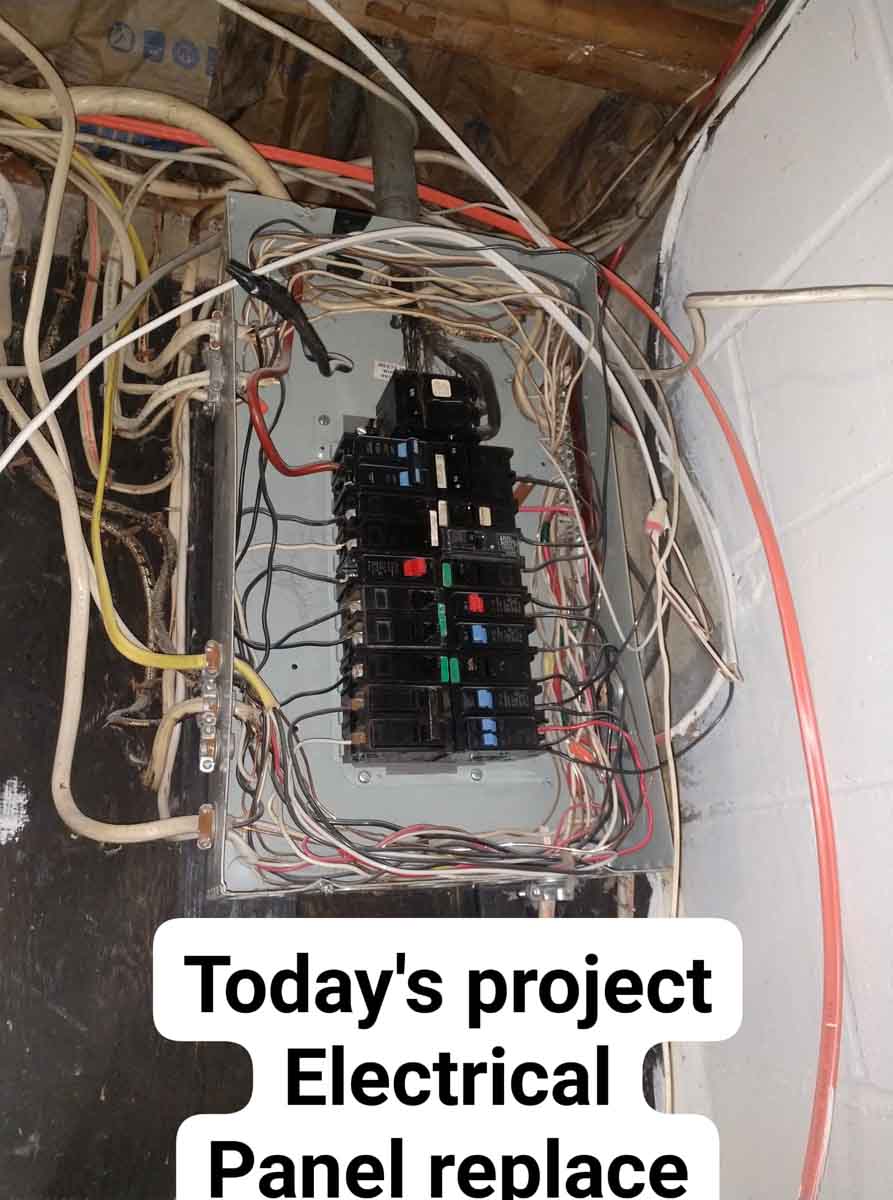
Electrical safety codes are essential guidelines that ensure the safety of electrical installations in homes and commercial properties. These codes are designed to protect people from electrical hazards and ensure that electrical systems operate efficiently.
What Are Electrical Safety Codes?
Electrical safety codes are a set of regulations and standards that govern the installation and maintenance of electrical systems. They are established by various organizations and governments to protect both people and property from electrical-related accidents.
Importance of Electrical Safety Codes
- Prevent electrical fires
- Reduce the risk of electric shocks
- Ensure reliable operation of electrical systems
- Promote energy efficiency
- Enhance the overall safety of buildings
Key Electrical Safety Codes to Know
Various electrical safety codes exist, with the National Electrical Code (NEC) being one of the most widely recognized. These codes can vary by region, but they all share the common goal of ensuring safety.
National Electrical Code (NEC)
The NEC is a set of standards that outlines the safe installation of electrical wiring and equipment in the United States. It is updated every three years to incorporate new technologies and safety measures.
Local Codes and Regulations
In addition to the NEC, local jurisdictions may have their own codes that must be followed. It's crucial to check with local authorities to ensure compliance.
Common Electrical Safety Practices
Following electrical safety codes is vital, but there are also practical safety practices that individuals can adopt.
- Use grounded outlets and plugs
- Avoid overloading circuits
- Install smoke and carbon monoxide detectors
- Regularly inspect electrical equipment and wiring
- Hire a licensed electrician for installations and repairs
Consequences of Non-Compliance
Failing to adhere to electrical safety codes can lead to severe consequences, including:
- Increased risk of fires and electrical shocks
- Legal penalties and fines
- Increased insurance premiums or denial of claims
- Potential property damage and loss
Importance of Regular Inspections
Regular inspections by qualified electricians can help ensure that your electrical systems remain safe and compliant with current codes.
Conclusion
Understanding and adhering to electrical safety codes is crucial for the safety of your home and workplace. By following these codes and implementing safety practices, you can reduce the risk of electrical hazards and ensure a safe environment for everyone.
For more information about electrical safety and compliance, visit our website at arzelectricalcorp.com.